Performance Evaluation and Selection of Active Ingredients for Modern Anti-Dandruff Shampoos : From Malassezia Control to Scalp Microbiome — Building High-Efficiency, Stable, and Gentle Anti-Dandruff Formulations
author: R&D Bella/ Oct. 07, 2026
Introduction:
Anti-Dandruff Shampoos Are Entering the “Scalp Health” Era
In recent years, rising consumer awareness of health and wellness has positioned scalp care as one of the fastest-growing segments within the global personal care market. While consumers traditionally selected anti-dandruff shampoos primarily for their ability to remove visible dandruff quickly, expectations have evolved considerably. Today, consumers increasingly seek products that also deliver mild cleansing, itch relief and soothing benefits, effective sebum control, support for a balanced scalp microbiome, and long-term safety for regular use.
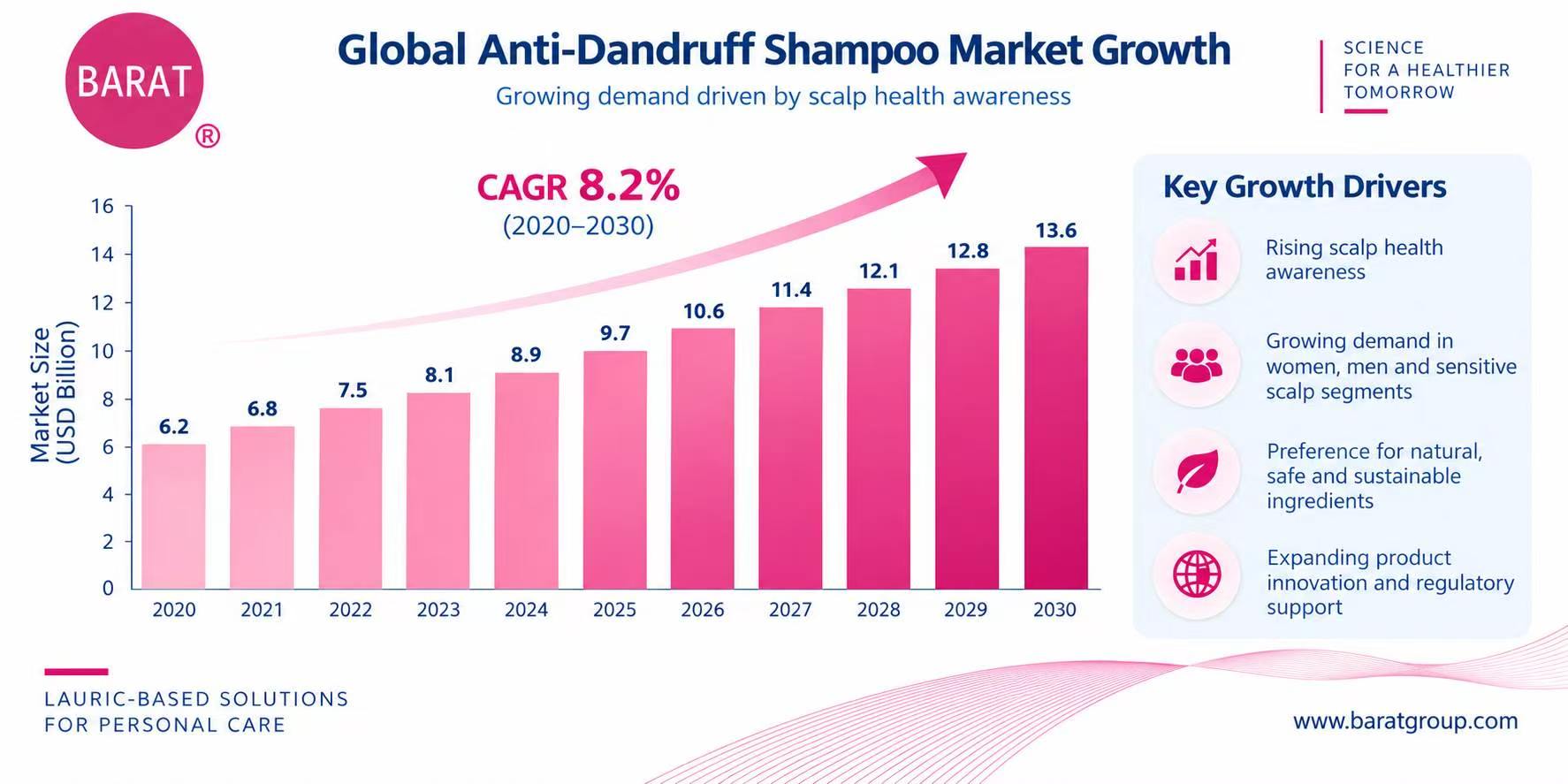
Market research continues to show strong growth across women’s hair care, men’s grooming, and sensitive-scalp categories, prompting more brands to introduce specialized anti-dandruff shampoos, scalp-care serums, and functional hair-care solutions. At the same time, global regulatory requirements are becoming more comprehensive, while demand for natural, safe, and environmentally responsible ingredients continues to increase. Consequently, the selection of an anti-dandruff active can no longer be based solely on antimicrobial strength; it must consider an appropriate balance of efficacy, safety, formulation stability, regulatory compliance, and overall consumer experience.
BARAT Oleochem has extensive experience in supplying high-quality lauric-based surfactants and providing application-technology support to personal care companies worldwide, particularly in shampoo formulation development. To identify active ingredients that are better suited to modern anti-dandruff shampoo systems, BARAT R&D conducted a systematic evaluation of several representative anti-dandruff agents commonly used in the industry. Through Oxford Cup antimicrobial testing, high- and low-temperature stability studies, and pH stability evaluations, the team assessed the overall performance of these actives within shampoo formulations and developed practical formulation insights to support R&D professionals in creating effective, stable, and consumer-friendly anti-dandruff products.
01 What’s Really Happening on Your Scalp?
Dandruff is one of the most common scalp concerns worldwide. Industry research suggests that more than half of adults may experience dandruff at some point in their lives. Although dandruff is generally not considered a serious medical condition, it is often associated with scalp itching, excess oil, unpleasant odor, and visible flaking, all of which can affect daily comfort, appearance, and self-confidence. As a result, dandruff control has remained an important focus in hair-care product development.
Modern dermatological science considers dandruff to be the result of multiple interacting factors rather than a single cause, including the scalp microbiome, sebum secretion, keratinization and cell turnover, individual susceptibility, and microorganisms. Among these factors, Malassezia is widely regarded as one of the important contributors to dandruff.
Malassezia is a naturally occurring fungus that resides on the human scalp and utilizes fatty acids from sebum as a nutrient source. Under normal conditions, it coexists with the scalp in a balanced state without causing significant problems. However, when sebum production increases, environmental conditions become warm and humid, or the scalp barrier is weakened, Malassezia may proliferate excessively. During this process, its metabolic by-products, including unsaturated fatty acids, can irritate the scalp, trigger inflammatory responses, and accelerate keratinocyte turnover. This may shorten the normal skin-renewal cycle of approximately 28 days, causing incompletely matured corneocytes to shed prematurely and become visible as dandruff flakes.
For this reason, the objective of modern anti-dandruff care is not to completely eliminate scalp microorganisms. Instead, it is to control excessive Malassezia growth while supporting scalp microbiome balance and barrier function, helping to achieve more stable and long-term dandruff management.

02. Current Development and Key Characteristics of Mainstream Anti-Dandruff Active Ingredients
With advances in anti-dandruff technology, market anti-dandruff agents have evolved from traditional inorganic antibacterial ingredients into diverse active systems with various mechanisms of action. Currently, the most widely used anti-dandruff agents in the industry include zinc pyrithione (ZPT), piroctone olamine (OCT), climbazole, selenium disulfide, hexamidine, and plant-derived complex anti-dandruff agents.
2.1 Zinc Pyrithione (ZPT)
ZPT is one of the most classic anti-dandruff agents. It has excellent antifungal properties and can inhibit the growth of Malassezia by disrupting its cell membrane function; therefore, it has long been widely used in anti-dandruff shampoos. Its advantages lie in its noticeable anti-dandruff efficacy, low cost, and mature application. However, due to its poor water solubility, suspension or stratification phenomena are prone to occur in transparent shampoo systems. In addition, restrictions on the use of ZPT in cosmetics introduced by the European Union in recent years have led to a gradual decrease in its international market application..
2.2 Piroctone Olamine (OCT)
OCT is a new type of anti-dandruff agent that has been relatively widely used in recent years. It has good antifungal and anti-itching capabilities, as well as good solubility and formulation compatibility, making it suitable for transparent or pearlescent shampoo systems. Its anti-dandruff and anti-itching mechanism works through antibacterial and antioxidant effects to reduce the irritation caused by microorganisms to the scalp, fundamentally blocking the pathways of dandruff generation, thereby effectively resolving dandruff and scalp itching at the root. OCT has excellent solubility and compounding performance, and is not prone to precipitation or stratification. Because it is sensitive to iron ions, it may cause the product to appear light yellow, thus affecting the product’s color appearance, and its relatively high cost restricts its application to a certain extent.
2.3 Ganbaosu (Piroctone Olamine)
Ganbaosu has broad-spectrum bactericidal properties and has an inhibitory effect on Pityrosporum ovale, Candida albicans, and Trichophyton, which cause dandruff. Its mechanism of action is related to inhibiting the synthesis of ergosterol in the cell membrane of Malassezia, thereby achieving the effects of anti-dandruff and anti-itching. Ganbaosu not only has strong light and thermal stability, but can also exist stably in acidic and neutral solutions, making it suitable for a variety of formulation systems. It should be noted that its water solubility is poor, requiring the addition of more solubilizers. In addition, studies have shown that Ganbaosu has certain effects on fish and other aquatic organisms.
2.4 Climbazole
Climbazole is a high-efficiency antifungal ingredient. It works by inhibiting the biosynthesis of ergosterol in fungal cell membranes and is widely used in the European market.
2.5 Hexamidine
Hexamidine is a mild, broad-spectrum antibacterial agent with a relatively high cost, which has a good inhibitory effect on a variety of bacteria. Its cationic nature gives it a strong adsorption effect on the surface of the hair and scalp, which is conducive to enhancing and exerting a long-lasting anti-dandruff effect. This type of anti-dandruff agent has excellent water solubility and does not affect the color of the system.
2.6 Plant-Derived Anti-Dandruff Agents
In recent years, as consumers pay more attention to natural, safe, and sustainable raw materials, plant extracts have gradually become an important development direction for anti-dandruff products. For example, plant extracts such as magnolia bark, white willow bark, Platycladus orientalis leaves, and lotus leaves have been widely studied for improving the scalp environment, relieving itching, and regulating the scalp microecology. Plant anti-dandruff agents take natural plant extracts as the main ingredients and have the characteristics of being mild, low-irritating, and environmentally friendly. They reduce the occurrence of dandruff and scalp itching by improving the scalp microecology and promoting blood circulation, and plant ingredients can effectively inhibit a variety of bacteria, exhibiting a broad-spectrum antibacterial effect.
Compared with traditional antifungal ingredients, plant anti-dandruff agents are generally milder and more environmentally friendly, but their direct antibacterial ability is relatively weaker. Currently, plant anti-dandruff agents also have limitations such as complex ingredients and the possibility that anti-dandruff effects may fluctuate due to individual differences, making them more suitable for use as an auxiliary care system.
03 BARAT R&D: How Do We Screen Anti-Dandruff Agents for Modern Shampoos?
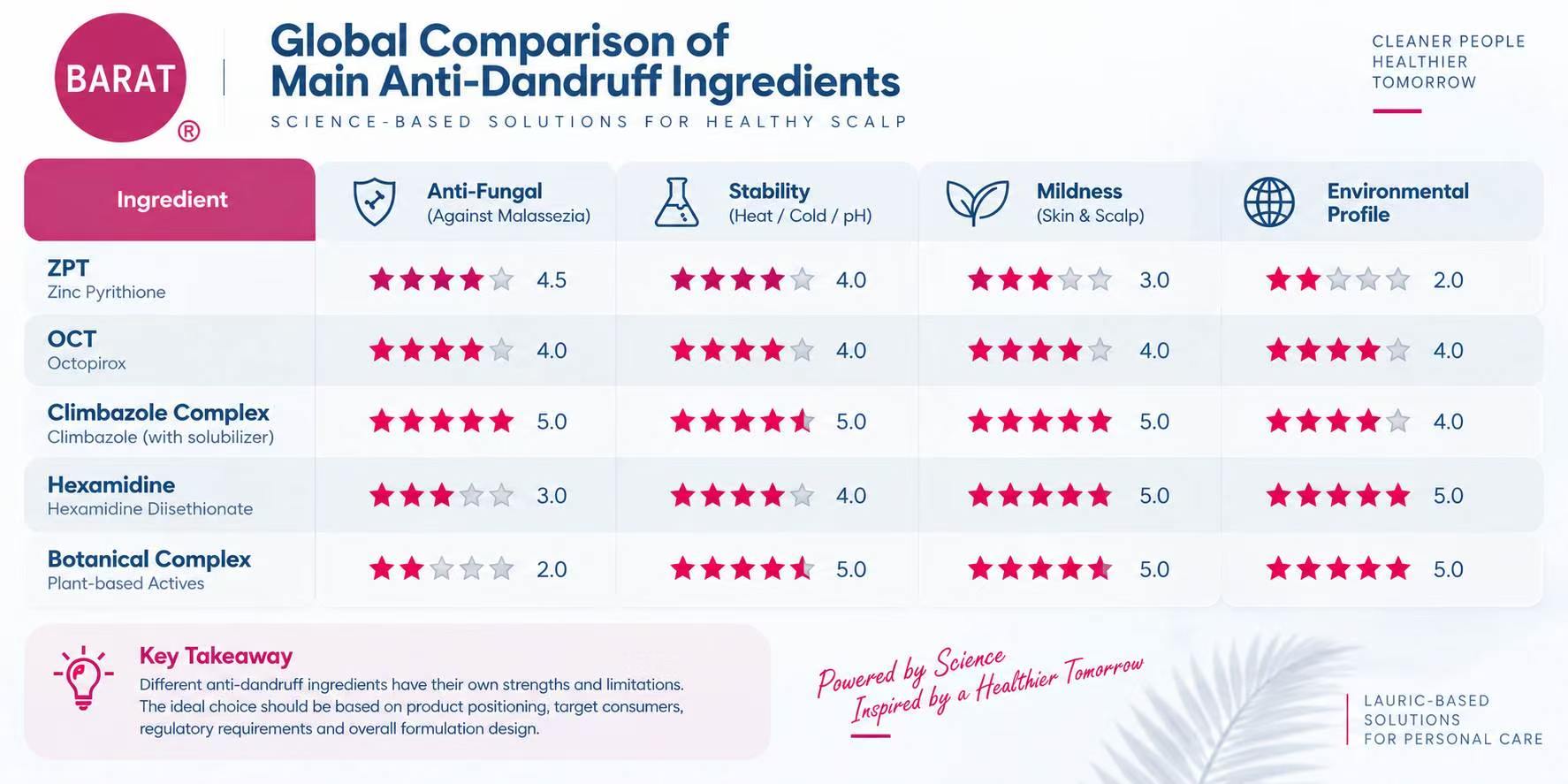
In anti-dandruff shampoo development, antimicrobial efficacy alone is not enough. A suitable active should also provide good formulation stability, mildness, regulatory compliance, and compatibility with the shampoo base.
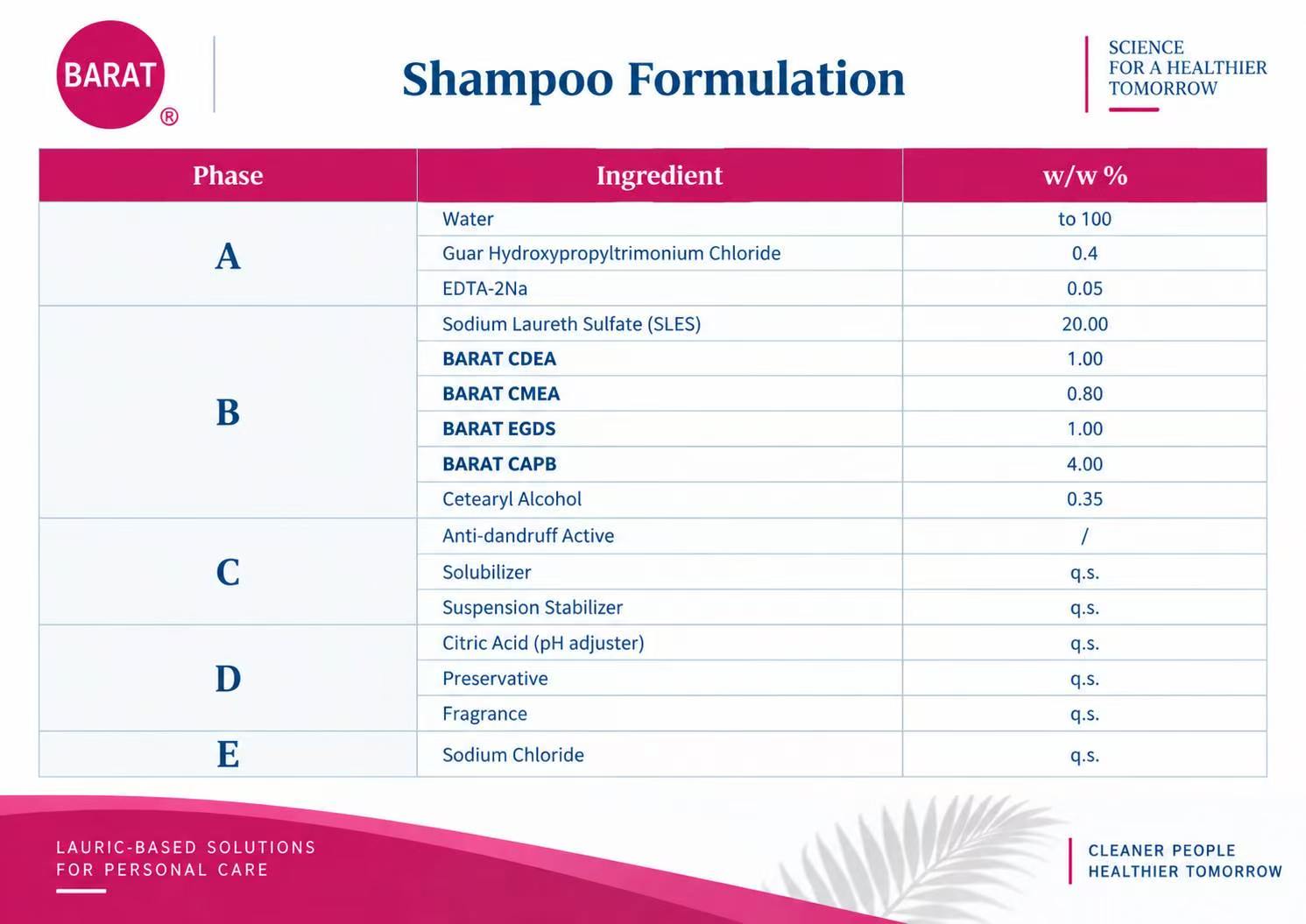
To ensure consistent comparison, our team built a unified cleansing system. The base formulation uses Sodium Laureth Sulfate (SLES) as the primary anionic surfactant, combined with BARAT CAPB, BARAT CDEA, BARAT CMEA, BARAT EGDS, and other lauryl-based ingredients to develop a shampoo system with good cleansing performance, foaming properties, and stability. Different types and concentrations of anti-dandruff agents were then incorporated into the standardized base formulation to evaluate their performance within the shampoo system.
The study focused on four key areas: in vitro anti-Malassezia activity, high- and low-temperature storage stability, antimicrobial performance across different pH conditions, and overall formulation performance.
By using a standardized formulation, process, and testing conditions, the study was designed to assess how different anti-dandruff agents perform within an actual shampoo system, rather than evaluating the active ingredients in isolation.
04 BARAT R&D: Comparison of Antimicrobial Performance of Different Anti-Dandruff Agents
To evaluate the inhibitory effect of different anti-dandruff agents on Malassezia, BARAT R&D used the Oxford Cup Method, which is widely used in the industry, for in vitro antimicrobial testing. This method quantitatively evaluates antifungal performance by measuring the diameter of the inhibition zone. Because it is simple to operate, repeatable, and easy to interpret, it is widely used in efficacy evaluation for hair-care products. The experimental results showed clear differences in antimicrobial performance among the different anti-dandruff agents.
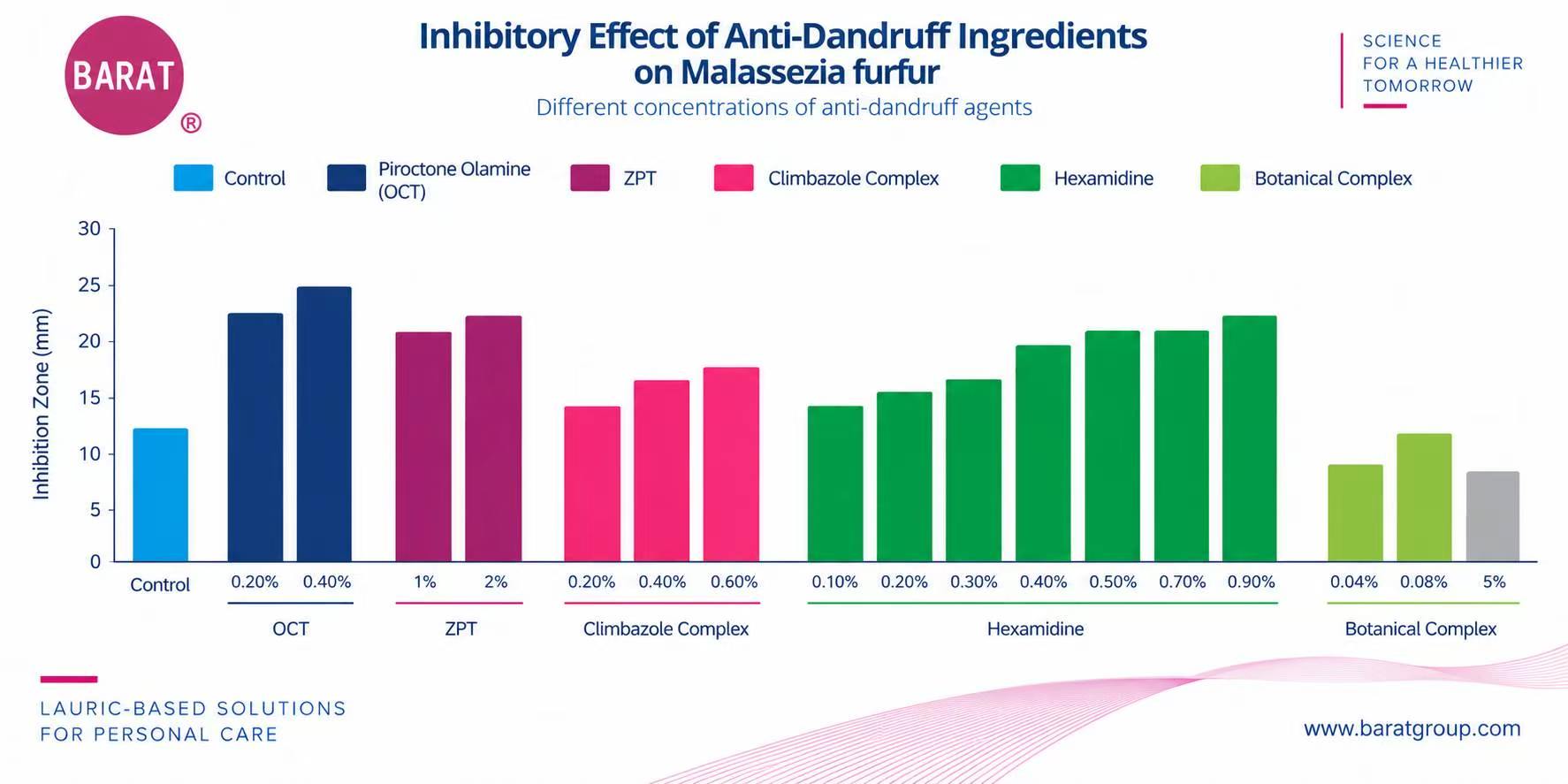
Among the tested agents, Ganbaosu showed the strongest anti-Malassezia activity, while the Climbazole combination system showed better performance as the dosage increased. ZPT also performed well, although regulatory and environmental concerns may limit its future use. OCT showed slightly lower antimicrobial activity but remained suitable for most anti-dandruff shampoo applications.
Hexamidine showed weaker antimicrobial activity, while the botanical extract complex showed limited direct inhibition but may still help support scalp condition and microbiome balance.
Overall, BARAT R&D found that inhibition-zone size alone is not enough to evaluate an anti-dandruff active. Stability, mildness, safety, regulatory compliance, and formulation compatibility must also be considered. The next section evaluates the stability of different anti-dandruff agents under different temperatures and pH conditions.
05 Stability Matters More than Antimicrobial Potency
In anti-dandruff shampoo development, formulators often focus first on the antimicrobial strength of the active ingredient, while long-term formulation stability may receive less attention. However, for a commercial product, stability is just as important as anti-dandruff efficacy.
A shampoo may experience different conditions during raw-material storage, production, transportation, warehousing, distribution, and retail display. Depending on the region and season, the product may be exposed to high or low temperatures, humidity, and repeated temperature changes.If an anti-dandruff active crystallizes, sediments, changes color, or loses activity under these conditions, strong laboratory antimicrobial results may not translate into consistent product performance.
For this reason, modern anti-dandruff shampoo development should evaluate not only the active ingredient itself, but also the stability of the complete formulation under practical storage and application conditions.
5.1 High- and Low-Temperature Stability Evaluation
To simulate extreme conditions that products may encounter during actual transportation and storage, BARAT R&D conducted accelerated high- and low-temperature stability tests on all shampoo samples. Samples were stored for three months at 45 C and -18 C, after which the Oxford cup method was used again to measure their antimicrobial activity against Malassezia.
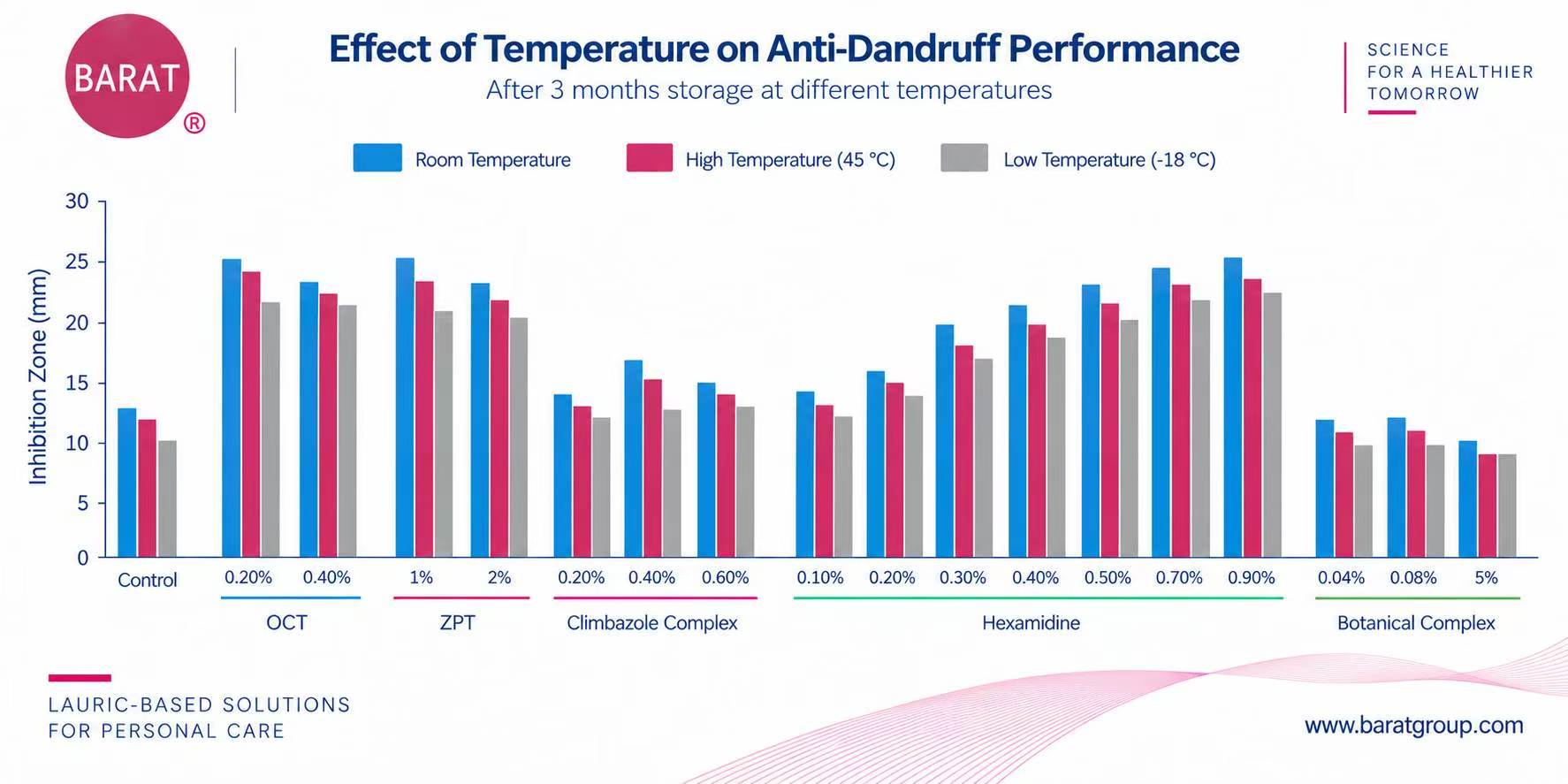
The experimental results showed that different anti-dandruff agents displayed clearly different stability characteristics under extreme temperatures.
Here is a more polished and professional version suitable for a technical article or product blog: Although the botanical extract complex showed relatively limited direct antimicrobial activity, it demonstrated good stability under both high- and low-temperature conditions, with only minor changes in antimicrobial performance. Ganbaosu also exhibited excellent temperature resistance, maintaining consistent overall performance even after repeated hot-cold cycling. In comparison, OCT showed some loss of antimicrobial activity under both high- and low-temperature conditions, while Hexamidine exhibited a more pronounced reduction in activity when exposed to elevated temperatures.
Of particular interest, the Climbazole combination system demonstrated good overall stability across different concentration levels. The medium-concentration system remained stable under both high- and low-temperature conditions, while the higher-concentration system even showed a slight increase in antimicrobial activity under low-temperature conditions. These findings suggest that a properly designed combination system may help improve the stability and overall application performance of traditional Climbazole-based formulations.
Overall, the results highlight that stability should be considered a key criterion when selecting anti-dandruff agents for modern shampoo formulations. Formulators should therefore evaluate not only the initial antimicrobial efficacy of an active ingredient, but also its ability to maintain consistent performance under different storage, transportation, and temperature conditions.
5.2 The Effect of pH on Anti-Dandruff Performance
In addition to temperature, product pH is another crucial factor that can affect anti-dandruff performance.
Most shampoo products are currently formulated within a pH range of 5.0-7.0, in which:
pH 5.0-5.5 is closer to the naturally mildly acidic environment of the human scalp and helps maintain the scalp barrier and microbiome balance;
pH 6.5-7.0 can help strengthen the cleansing power of some systems and improve the removal of oil and dirt.
BARAT R&D adjusted all samples to these two pH ranges and repeated the antimicrobial tests to evaluate how well different anti-dandruff agents adapt to changes in pH.
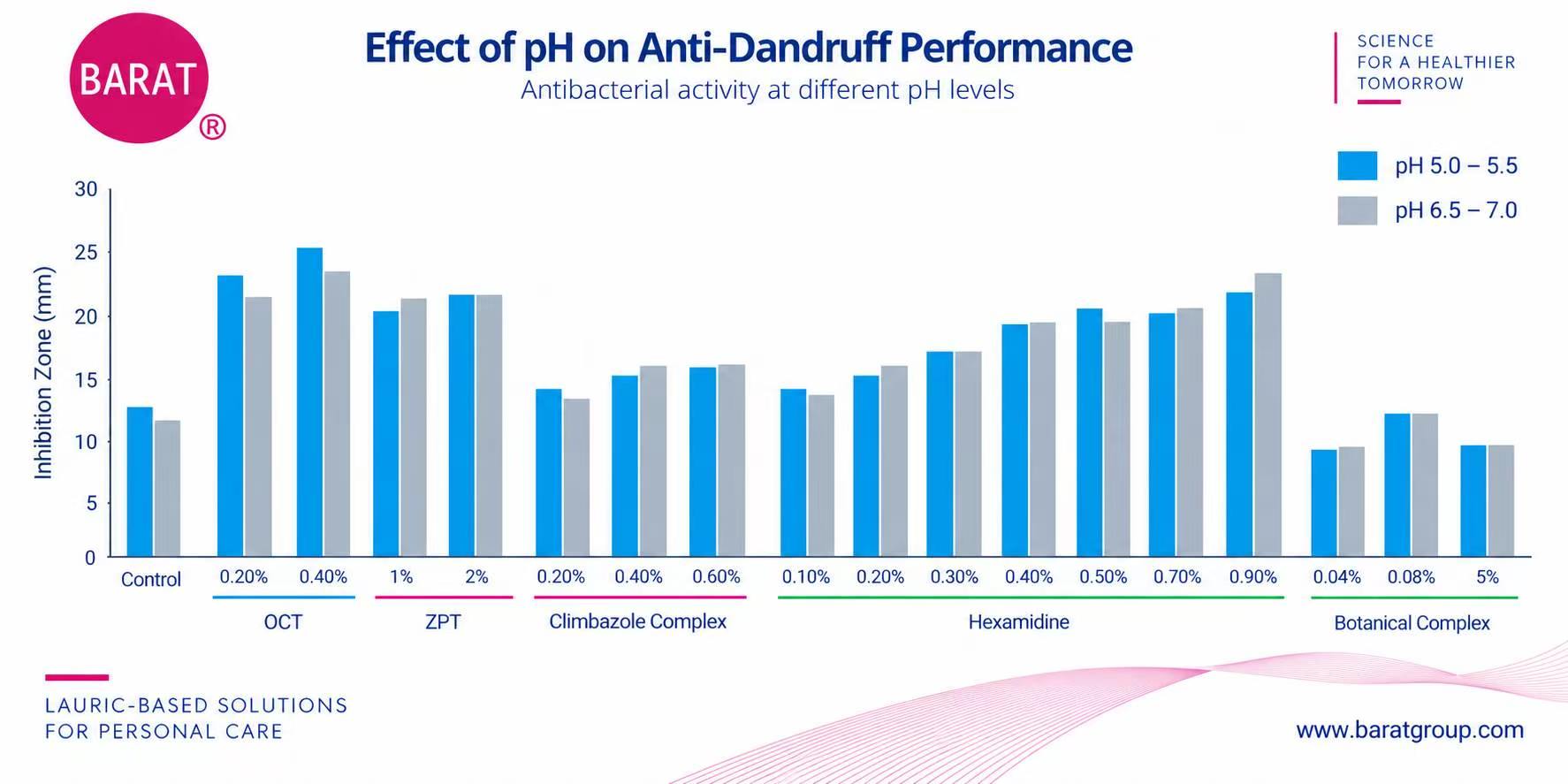
The experimental results showed that most anti-dandruff agents maintained relatively stable antimicrobial performance across pH 5.0-7.0, indicating good formulation adaptability.
This means that formulators can optimize pH according to product positioning while balancing scalp comfort and cleansing performance, without excessive concern that pH adjustment will cause a significant loss of anti-dandruff efficacy.
From the perspective of modern formulation development, this also provides greater design flexibility for mild shampoos, sensitive-scalp products, and children’s hair-care products.
06 Beyond Anti-Dandruff Actives: What Makes an Effective Anti-Dandruff Shampoo?
Many consumers assume that adding a highly effective anti-dandruff active will automatically result in an excellent anti-dandruff shampoo.
In reality, a modern anti-dandruff shampoo is a complete formulation system. The anti-dandruff active is only one functional component, while the final product performance depends on the interaction and balance of the entire formulation.
A well-designed anti-dandruff shampoo typically includes several key systems:
Cleansing System
Removes sebum, dust, and scalp impurities, creating a favorable environment for the anti-dandruff active to perform effectively.
Anti-Dandruff Active
Directly suppresses excessive Malassezia growth and is the core system responsible for anti-dandruff efficacy.
Conditioning System
improve hair smoothness, softness, and combability while reducing the dryness or roughness that may sometimes be associated with stronger cleansing or anti-dandruff systems.
Rheology Control
Ensures suitable product flow, suspension performance, and shelf stability.
Preservation System
Ensures microbiological safety throughout the entire product-use period.
BARAT’s surfactant and specialty ingredients, including CAPB, CDEA, CMEA, and EGDS, can play important supporting roles in anti-dandruff shampoo formulations. Depending on the formulation design, these ingredients can contribute to foam quality, viscosity development, conditioning, pearlescent appearance, and overall formulation stability, helping to create a more suitable environment for the anti-dandruff active system.
Therefore, a truly high-performance anti-dandruff shampoo does not rely on a single “star” anti-dandruff ingredient. It depends on the scientific design and careful balance of the entire formulation system.
07 BARAT Technical Insights
According to BARAT R&D team, it has shown that antimicrobial efficacy alone is not sufficient to determine the practical value of an anti-dandruff active ingredient during product development. A high-performance, modern anti-dandruff shampoo should be evaluated holistically, taking into account the following key aspects:
• Malassezia inhibition,
• Long-term shelf stability,
• pH adaptability,
• Formulation compatibility,
• Consumer-use experience
• Regulatory compliance
• Environmental friendliness
Based on the overall results of this study, the Climbazole combination system showed relatively balanced performance in antimicrobial activity, high- and low-temperature stability, and mildness, making it a solution worthy of particular attention in the development of modern anti-dandruff shampoos. At the same time, although plant-derived anti-dandruff agents currently have limited direct antimicrobial strength, their advantages in mildness, safety, and sustainability give them broad future potential in premium scalp-care products.
BARAT believes that the future direction of anti-dandruff products will gradually shift from “high-efficiency microbial killing” toward “scalp microbiome balance,” using scientifically designed formulations to deliver an integrated combination of dandruff control, soothing, repair, and long-term care.
08.Future Trends
With the global anti-dandruff shampoo market projected to grow, personal care is changing rapidly toward health-first, thoughtful formulations:
• Scalp Microbiome Care
• Sulfate-Free Formulation
• Silicone-Free Hair Care
• Sensitive Scalp Solutions
• Natural & Botanical Actives
• Biodegradable Ingredients
• Sustainable Formulation Design
• Personalized Hair Care
It can be expected that consumers will increasingly evaluate anti-dandruff products based on whether they can improve long-term scalp health, rather than focusing only on short-term dandruff removal.
BARAT Formulation Support
In addition to supplying high-quality lauric-based surfactants, BARAT Oleochem can provide professional shampoo formulation-development support to customers worldwide, including:
• Base formulation design for anti-dandruff shampoos
• Optimization of anti-dandruff active compatibility
• Optimization of mild cleansing systems
• Pearlescent and thickening system design
• Formulation stability evaluation
• Efficacy testing and application-technology support
Whether developing mass-market anti-dandruff shampoos or premium scalp-care products, BARAT is committed to helping customers create innovative products that combine effective dandruff control, mild care, long-term stability, and compliance with global regulatory requirements through high-quality ingredients and professional technical support.
About BARAT
BARAT Oleochem specializes in lauric-based surfactants and specialty ingredients for personal care, home care, and industrial cleaning applications. With extensive expertise in formulation support, application development, and sustainable oleochemical solutions, BARAT is committed to helping customers worldwide develop high-performance, stable, safe, and sustainable cleaning and personal care products.